
 Cart is empty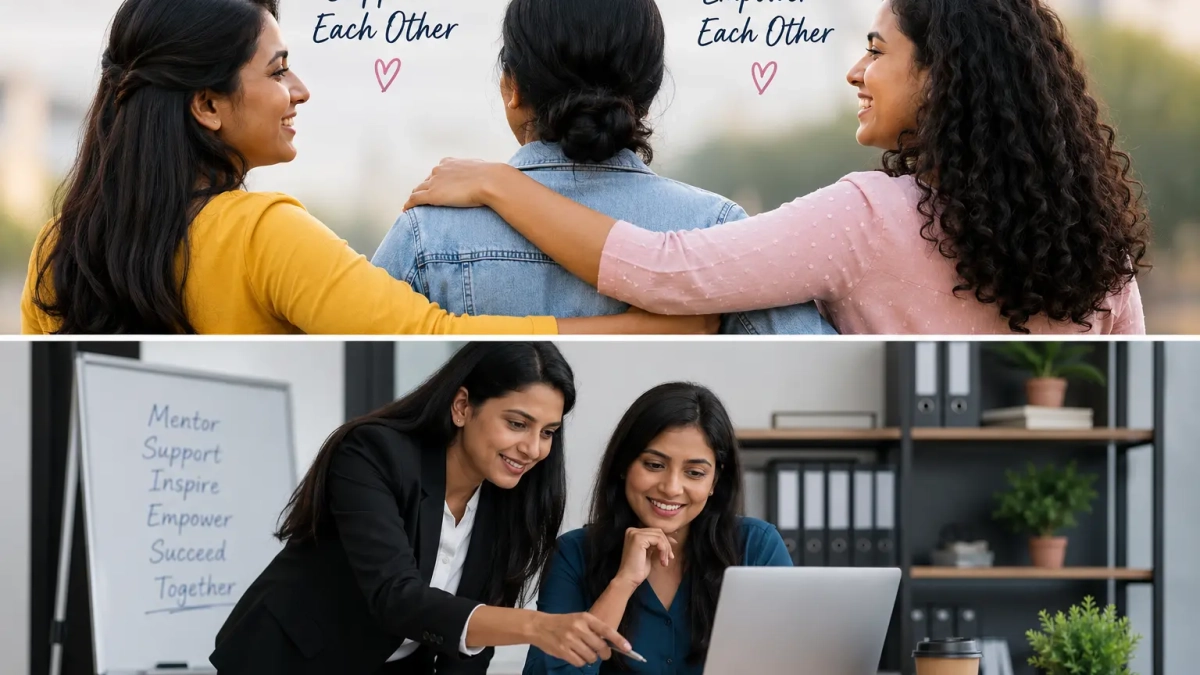
women:There’s something deeply painful about being hurt by someone who should understand your pain — another woman.
The same gender that’s expected to lift, heal, and protect often becomes the one that dismisses your hurt with a casual, “It’s normal,” or “Everyone faces this.”
But is it really that simple?
We all know it isn’t.
Every woman carries silent wars within her — the battles she fought, the tears she swallowed, the strength she built out of exhaustion. And when she sees another woman walking through that same fire, she should feel it. Yet too often, instead of empathy, we offer judgment or indifference.
Why do we do this?
Maybe because we’ve been told that pain is part of womanhood — that if we survived it, others should too. Maybe it’s the way society conditioned us to wear strength like armor and hide our vulnerabilities.
But in doing so, we forget the most sacred truth — we understand each other’s pain better than anyone else ever could.
When another woman breaks down, she doesn’t need a lecture or advice. She needs someone who listens — someone who says,
“I know how it feels. I’ve been there. You’re not alone.”
We all crave that kind of connection — where pain isn’t compared, but shared. Where survival isn’t glorified, but softened by compassion.
A gentle reminder
You don’t have to repeat the harshness you once endured. You can be the soft place where another woman’s tears find rest. You can be the hand that holds instead of the one that pushes away.
Because being strong doesn’t mean turning cold.
It means remembering how it felt when no one stood beside you — and choosing to stand beside someone now.
Let’s bring back that woman-to-woman bond — the one made of empathy, not envy. Understanding, not indifference.
We’ve survived too much to become each other’s reason to hurt again.
For generations, society has discussed the barriers women face in education, careers, leadership, and everyday life. Many of these obstacles are real and well-documented. However, there is another uncomfortable topic that deserves attention: sometimes women themselves contribute to the challenges other women experience.
This is not an argument against women, nor does it ignore the broader social and cultural factors that affect women’s opportunities. Instead, it is an honest look at behaviors that can appear in any group, including among women, and how they can impact personal growth, workplace success, and social relationships.
Competition Instead of Support
One of the most common complaints shared by women in professional and personal settings is the lack of support from other women. While many women actively mentor and encourage each other, others may view another woman’s success as a threat rather than an achievement.
This mindset can create unnecessary competition. Instead of celebrating promotions, business achievements, or personal milestones, some individuals respond with jealousy, criticism, or attempts to diminish accomplishments. Such behavior can discourage talented women from pursuing their goals and can create environments where collaboration becomes difficult.
True empowerment is not about competing against one another. It is about recognizing that another woman’s success does not reduce opportunities for anyone else.
Workplace Challenges
In many workplaces, women often expect understanding and support from female colleagues or managers. While this frequently happens, there are also situations where women report facing harsher criticism from other women than from men.
Some female leaders, after overcoming significant obstacles themselves, may adopt a mindset that others should struggle in the same way. Rather than mentoring younger employees, they may set unrealistic expectations or withhold guidance.
This phenomenon is sometimes referred to as the “queen bee” effect, where a woman in a position of authority distances herself from other women and becomes less supportive of their advancement.
Although not universal, such behavior highlights how leadership should focus on lifting others rather than protecting status or influence.
Social Judgment and Criticism
Women are often subjected to intense scrutiny regarding appearance, parenting choices, careers, relationships, and lifestyle decisions. Surprisingly, much of this criticism can come from other women.
Whether through gossip, social media comments, or everyday conversations, women sometimes judge one another more harshly than men do. A woman may be criticized for being too ambitious, not ambitious enough, focusing on her career, staying home with her children, dressing a certain way, or making personal choices that differ from social expectations.
These judgments create pressure and division rather than understanding and support.
Every woman has unique circumstances, priorities, and goals. Respecting those differences is essential for building stronger communities.
The Impact of Social Media
Social media has amplified both support and criticism among women. Platforms provide opportunities to celebrate achievements, share experiences, and build communities. However, they also create spaces where comparison becomes constant.
The pressure to appear successful, attractive, wealthy, or perfect can lead to unhealthy competition. Negative comments, public shaming, and online bullying often come from people who share similar experiences and challenges.
Instead of encouraging authenticity, social media sometimes rewards criticism and comparison. Breaking this cycle requires a conscious effort to support rather than undermine one another.
Internalized Biases
Many behaviors that harm women are not always intentional. Sometimes they result from internalized beliefs developed through years of cultural influence.
For example, some women may unconsciously believe that leadership qualities are more valuable in men, or that certain roles are unsuitable for others. These beliefs can influence hiring decisions, workplace evaluations, and personal interactions.
Recognizing these biases is the first step toward overcoming them. Everyone benefits when people evaluate others based on ability, character, and effort rather than outdated assumptions.
Why Honest Conversations Matter
Discussing this topic can be uncomfortable because it challenges the idea that all obstacles faced by women come from external sources. The reality is more complex.
Acknowledging that women can sometimes make life harder for other women does not excuse discrimination or inequality. Instead, it recognizes that meaningful progress requires accountability from everyone.
Strong communities are built when people are willing to address difficult truths honestly and respectfully.
Building a Culture of Support
The good news is that positive change is possible. They around the world are already creating networks, mentorship programs, businesses, and communities designed to support one another.
Simple actions can make a significant difference:
- Celebrate other women’s achievements.
- Offer constructive feedback instead of criticism.
- Share opportunities rather than guarding them.
- Avoid gossip and unnecessary judgment.
- Mentor younger women entering your field.
- Encourage collaboration over competition.
- Respect different life choices and priorities.
When women support each other, the benefits extend far beyond individual success. Families, workplaces, communities, and future generations all benefit.
Conclusion
The hard truth is that sometimes women do make life harder for other women. Competition, judgment, jealousy, and lack of support can create barriers that are every bit as damaging as external obstacles.
But another truth is equally important: They also have the power to uplift, mentor, encourage, and inspire one another. By choosing support over rivalry and understanding over judgment, women can help create environments where everyone has a better chance to succeed.
Real empowerment is not just about breaking barriers. It is also about refusing to become one for someone else.
For more information, visit the apple health app tracks Wikipedia page.
Also read: 17 Healthy Breakfast Smoothies to Energize Your Morning.
Add a Comment