
 Cart is empty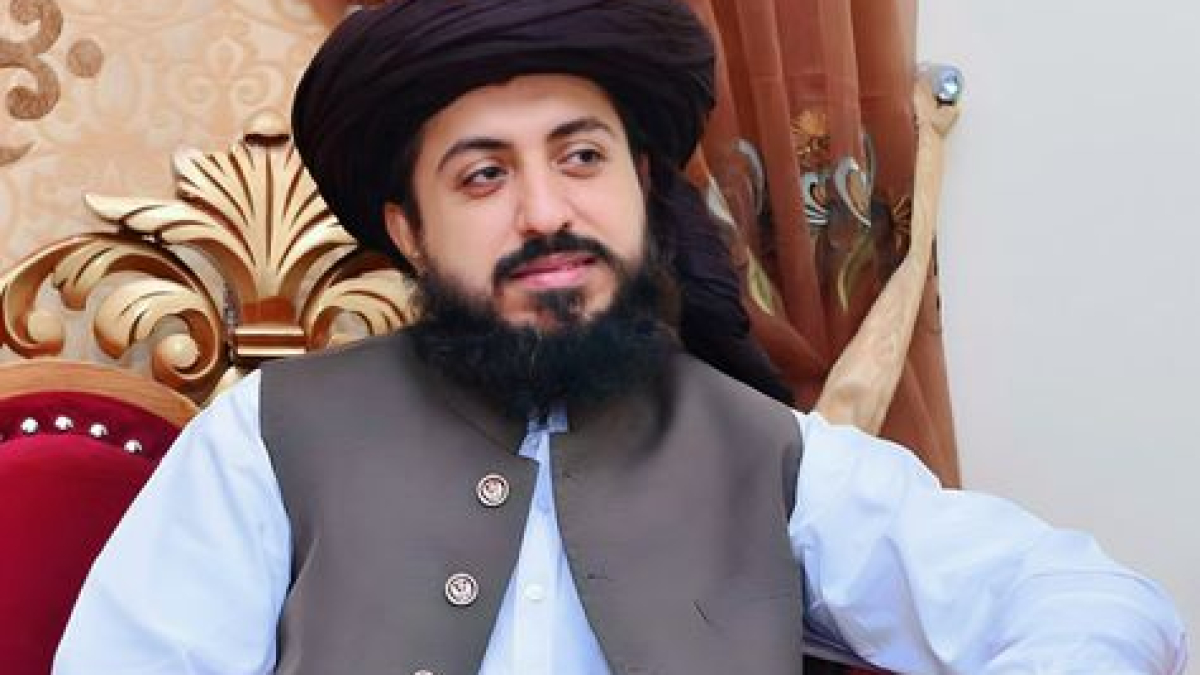
In early October 2025, the Tehreek-i-Labbaik Pakistan (TLP), under the leadership of Saad Hussain Rizvi, launched a “Labbaik Ya Aqsa Million March” from Lahore towards Islamabad. The stated aim was to show solidarity with Palestine and demand more aggressive governmental measures in support of Gaza, including boycotts of Israeli products and declaring the Israeli Prime Minister a “terrorist.”
In preparation, law enforcement agencies boosted deployment across Punjab, sealed key routes, and began proactive preventive actions, such as blockading motorways and placing containers and trenches to halt movement.
This mobilization raised the stakes: for the government, it risked widespread disruption and possible lawlessness; for TLP, it represented a political statement of strength and religious posturing.
Today’s Situation: Motorways Closed, Clashes, Muridke Crackdown
Motorway & Road Closures
- Authorities have reclosed motorways and major roads around Lahore and Islamabad after a brief reopening on Sunday.
- The Lahore–Islamabad–Peshawar motorway was among the strategic arteries blocked to prevent the march from advancing.
- In Muridke and surrounding areas, the government had earlier dug trenches, placed containers, and blocked GT Road to stop TLP’s movement.
- After the clearance operations, many routes—including the Grand Trunk Road (GT Road)—have been reopened, trenches filled, and blockades removed.
Thus, movement remains tightly controlled, and many major roads remain under heightened scrutiny. The closures have caused severe traffic disruptions, interruptions in public transport, and anxiety among commuters who face uncertain travel conditions.
Clashes & Casualties
- In Muridke, law enforcement launched an operation early Monday (around 3 a.m.), which lasted approximately six hours, to disperse TLP protestors gathered there.
- The Muridke confrontation resulted in four deaths (including an SHO) and at least 56 injured (both police and civilians) according to media reports.
- The Factory Area SHO Shehzad Nawaz was fatally shot amid the violence.
- Protesters reportedly resorted to stone pelting, use of gasoline bombs, spiked sticks, and even indiscriminate gunfire.
- Authorities claim TLP members set alight around 40 government and private vehicles during the melee.
- In Lahore, the clashes have also been intense. TLP claims at least 11 of its workers were killed by police firing.
- Security forces likewise report injuries and casualties, though official numbers vary.
Saad Rizvi’s Role & Status
- Saad Rizvi has been vocal, condemning police actions and accusing them of using excessive force against his supporters.
- He has urged calm among his followers and asked them to await his further instructions while consultations continue.
- There are conflicting unverified reports that he may have been shot multiple times and is in critical condition, but these have not been confirmed by authoritative sources.
- Police claim he has neither been arrested nor injured.
Aftermath, Control & Return to Normalcy
- The Muridke sit-in has been cleared, and normalcy is slowly returning. Mobile and data services have been fully restored in Islamabad, Rawalpindi, and the surrounding regions.
- Schools, businesses, and transport services in affected zones are reopening, though some services (e.g. Metro Bus, some roads) remain suspended or delayed.
- The government is conducting search operations and making arrests to clamp down on further unrest.
- The trenches and blockades on GT Road and around Muridke are being dismantled, allowing traffic to resume.
Analysis & Implications
- Escalation Risk
The violence in Muridke and Lahore signals a serious uptick in confrontation between TLP and state forces. The use of firearms and aggressive tactics by protestors shows that what began as a political-religious demonstration has escalated into potential armed clashes. - Political Leverage & Messaging
Saad Rizvi and TLP are leveraging religious symbolism and public sympathy (particularly regarding Palestine) to rally support. The threat of instability gives them bargaining power as they portray the government as suppressing dissent. - State’s Dilemma
The government must balance maintaining law and order with avoiding mass casualties or perceptions of oppressive state action. The reopening of roads and services shows intent to reimpose normalcy, but the containment of protests without provoking further backlash is a delicate task. - Public Disruption & Fear
Ordinary citizens are caught in the chaos: transport blocked, communication lines cut, fear of violence. The longer this continues, the more public resentment may grow—not only against TLP, but also against perceived government mismanagement. - Potential for Negotiation or Ceasefire
With both sides under pressure, negotiations might emerge as a viable path. Rizvi’s calls for calm and his willingness to await orders suggest he looks to retain control over his cadre and possibly explore dialogue. - Precedent for Future Protests
How the government handles TLP’s challenge will set a precedent. Either it can assert state monopoly over use of force and limit such protests in the future, or embolden other groups to adopt militant protest tactics.
Add a Comment