
 Cart is empty
Blog 2: What Happens Inside a Child Who Feels Unheard
Children don’t stop talking suddenly.
They slowly learn that their words do not matter.
At first, they try to explain how they feel. They speak about their fears, their confusion, their struggles. When those feelings are ignored, dismissed, compared, or judged, something changes inside them. They begin to believe that silence is safer than honesty.
An unheard child often looks “fine” from the outside. They attend school, complete responsibilities, smile when required. But inside, they carry a constant fear—fear of disappointing, fear of being wrong, fear of not being enough.
They start questioning themselves before speaking.
Is this important enough? Will I be laughed at? Will I be compared again?
Eventually, they stop asking these questions altogether—and stop speaking.
Feeling unheard creates emotional loneliness. Even in a crowded home, a child can feel completely alone. When there is no safe space to express emotions, feelings don’t disappear; they pile up. Confusion turns into self-doubt. Self-doubt turns into quiet pain.
Many children learn early that emotions are “overreactions.” That crying is weakness. That being sensitive is a flaw. So they learn to hide. They learn to smile while breaking inside.
This is where silence becomes dangerous.
Because silence doesn’t mean strength.
It means survival.
An unheard child often blames themselves. They believe the problem is who they are, not what they are facing. They begin to feel like a burden. Like their presence creates stress rather than joy. Like their struggles are inconvenient.
Over time, hope starts to fade—not because life has no possibilities, but because they feel they have no one to share those possibilities with.
Parents and adults often notice changes too late. They see withdrawal as attitude. Quietness as maturity. Distance as independence. But many times, it is simply a child giving up on being understood.
Listening does not require answers.
It requires patience.
Children don’t need parents to fix everything. They need someone who stays. Someone who listens without interrupting. Someone who does not immediately compare, judge, or correct.
When a child feels heard, pain becomes lighter.
When a child feels ignored, pain becomes unbearable.
Suicide is not born in a moment.
It grows silently in spaces where emotions are unheard and pain is unseen.
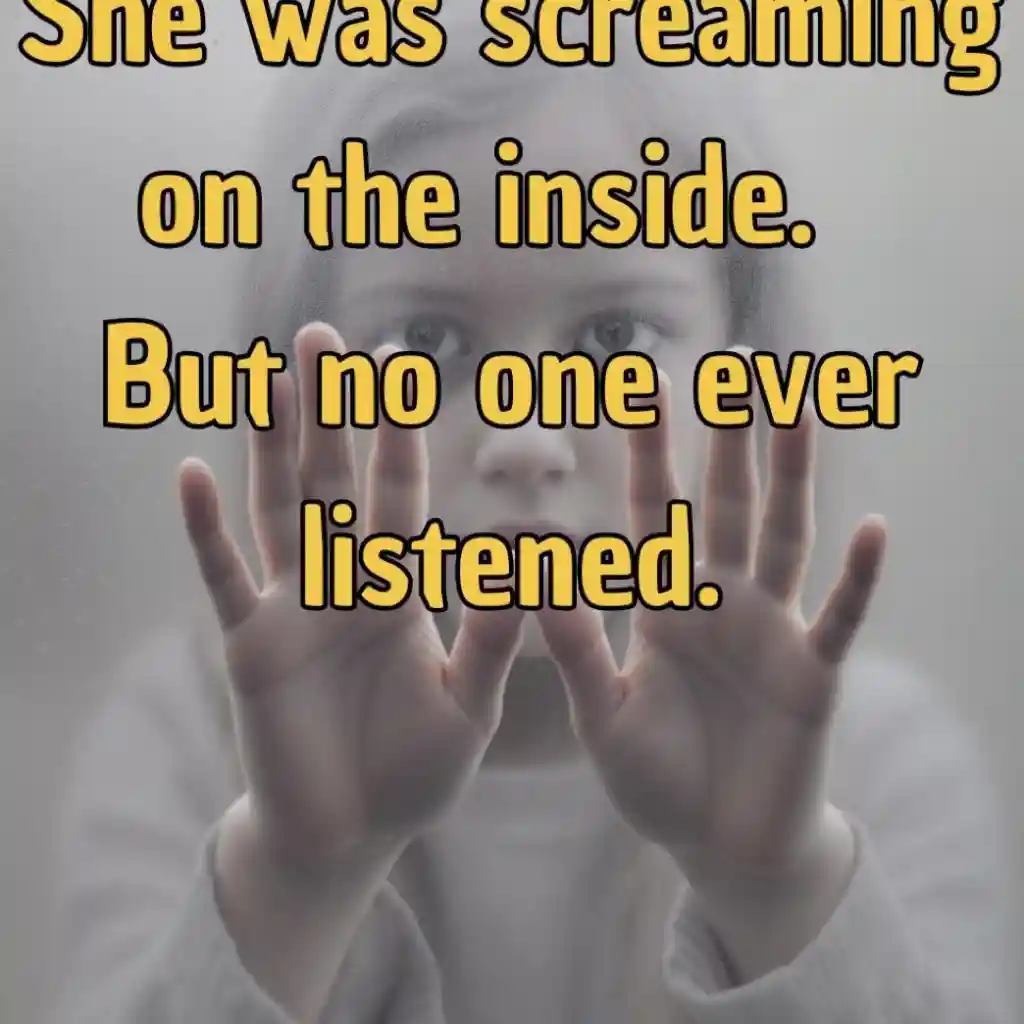
A child who feels heard learns to survive.
A child who feels ignored learns to disappear.
This conversation continues…
➡️ Next: Failure, Fear, and the Pressure to Be Perfect.
Add a Comment