
 Cart is empty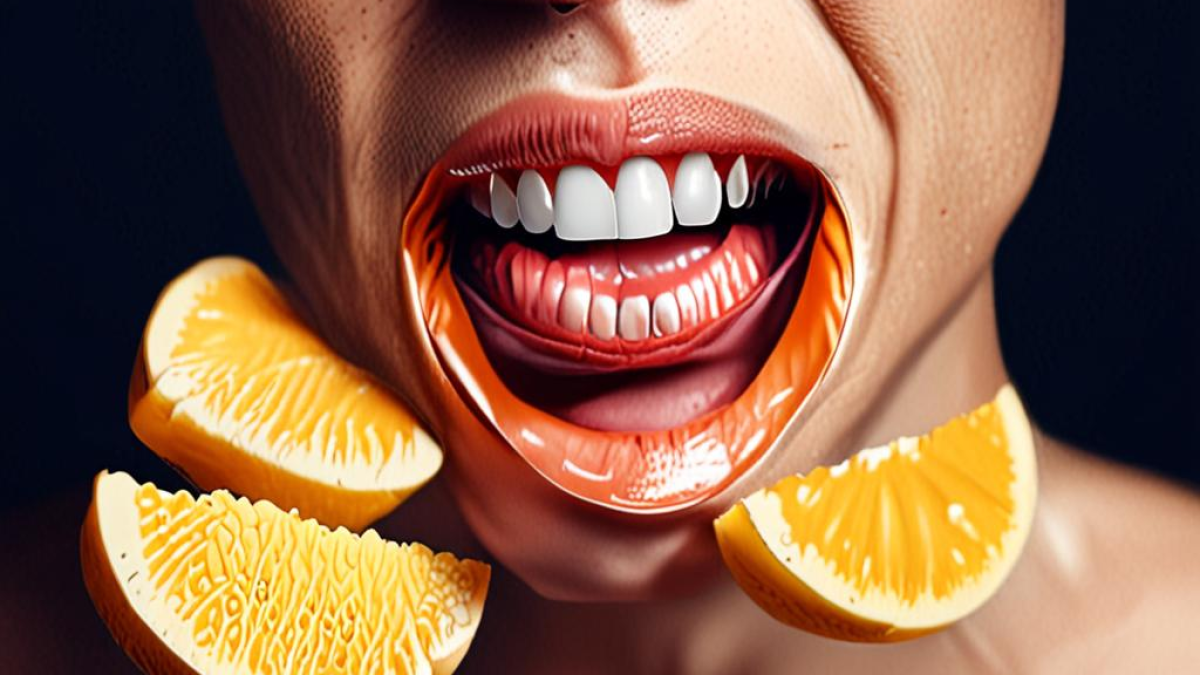
Gum Recession Linked to Diet: What You Need to Know Overview
## What is Gum Recession?
Gum recession, also known as gingival recession, is a common dental condition characterized by the loss of gum tissue around the teeth. This can expose the roots of the teeth, making them more susceptible to decay and sensitivity. Gum recession can be a result of various factors, including poor oral hygiene, genetics, and certain medical conditions.
## Causes of Gum Recession
Gum recession is often caused by a combination of factors, including:
* **Poor oral hygiene**: Infrequent brushing and flossing can lead to the buildup of plaque and tartar, which can cause gum recession.
* **Genetics**: Some people may be more prone to gum recession due to their genetic makeup.
* **Gum disease**: Periodontal disease, also known as gum disease, is a bacterial infection that can cause inflammation and damage to the gums, leading to recession.
* **Aggressive tooth brushing**: Brushing teeth too hard or using a hard-bristled toothbrush can damage the gums and cause recession.
* **Smoking**: Smoking can reduce blood flow to the gums, making them more susceptible to recession.
* **Hormonal changes**: Hormonal fluctuations during pregnancy or menopause can cause changes in the gums, leading to recession.
## Diet’s Role in Gum Recession
A diet that is high in sugar and low in essential nutrients can contribute to gum recession. Some foods that can increase the risk of gum recession include:
* **Sugary snacks**: Consuming sugary snacks and drinks regularly can lead to an increased risk of gum recession.
* **Processed foods**: Processed foods often contain high amounts of sugar, salt, and unhealthy fats, which can contribute to gum recession.
* **Foods high in acidity**: Foods with high acidity, such as citrus fruits and tomatoes, can erode the enamel on teeth and contribute to gum recession.
* **Low-fiber diet**: A diet that is low in fiber can lead to a buildup of plaque and tartar, increasing the risk of gum recession.
## Nutritional Deficiencies and Gum Recession
Certain nutritional deficiencies can contribute to gum recession. Some of these deficiencies include:
* **Vitamin C deficiency**: Vitamin C is essential for the production of collagen, a protein that gives structure to the gums. A deficiency in vitamin C can lead to gum recession.
* **Vitamin D deficiency**: Vitamin D is important for the health of the gums and teeth. A deficiency in vitamin D can increase the risk of gum recession.
* **Calcium deficiency**: Calcium is essential for the health of the teeth and gums. A deficiency in calcium can contribute to gum recession.
* **Iron deficiency**: Iron is important for the production of collagen and the health of the gums. A deficiency in iron can lead to gum recession.
## Conclusion and Recommendations
Gum recession is a common dental condition that can be caused by a combination of factors, including poor oral hygiene, genetics, and certain medical conditions. A diet that is high in sugar and low in essential nutrients can contribute to gum recession. Some nutritional deficiencies, such as vitamin C, vitamin D, calcium, and iron deficiencies, can also increase the risk of gum recession. To prevent gum recession, it is essential to maintain good oral hygiene, eat a balanced diet, and address any nutritional deficiencies. Some recommendations for preventing gum recession include:
* **Brushing teeth regularly**: Brushing teeth at least twice a day with a soft-bristled toothbrush and fluoride toothpaste can help prevent gum recession.
* **Flossing regularly**: Flossing at least once a day can help remove plaque and tartar from between the teeth and under the gumline.
* **Eating a balanced diet**: Eating a diet that is high in fruits, vegetables, and whole grains can help provide essential nutrients for the health of the gums and teeth.
* **Addressing nutritional deficiencies**: Addressing any nutritional deficiencies, such as vitamin C, vitamin D, calcium, and iron deficiencies, can help prevent gum recession.
* **Regular dental check-ups**: Regular dental check-ups can help identify any gum recession early on and prevent further damage.
gum recession linked diet remains one of the most talked-about topics in this space, with developments continuing to unfold.
gum recession linked diet remains a major consideration for teams planning near-term execution.
gum recession linked diet remains a major consideration for teams planning near-term execution.
gum recession linked diet remains a major consideration for teams planning near-term execution.
gum recession linked diet remains a major consideration for teams planning near-term execution.
gum recession linked diet remains a major consideration for teams planning near-term execution.
For more information, visit the gum recession linked diet Wikipedia page.
Also read: 17 Healthy Breakfast Smoothies to Energize Your Morning.
Add a Comment