
 Cart is empty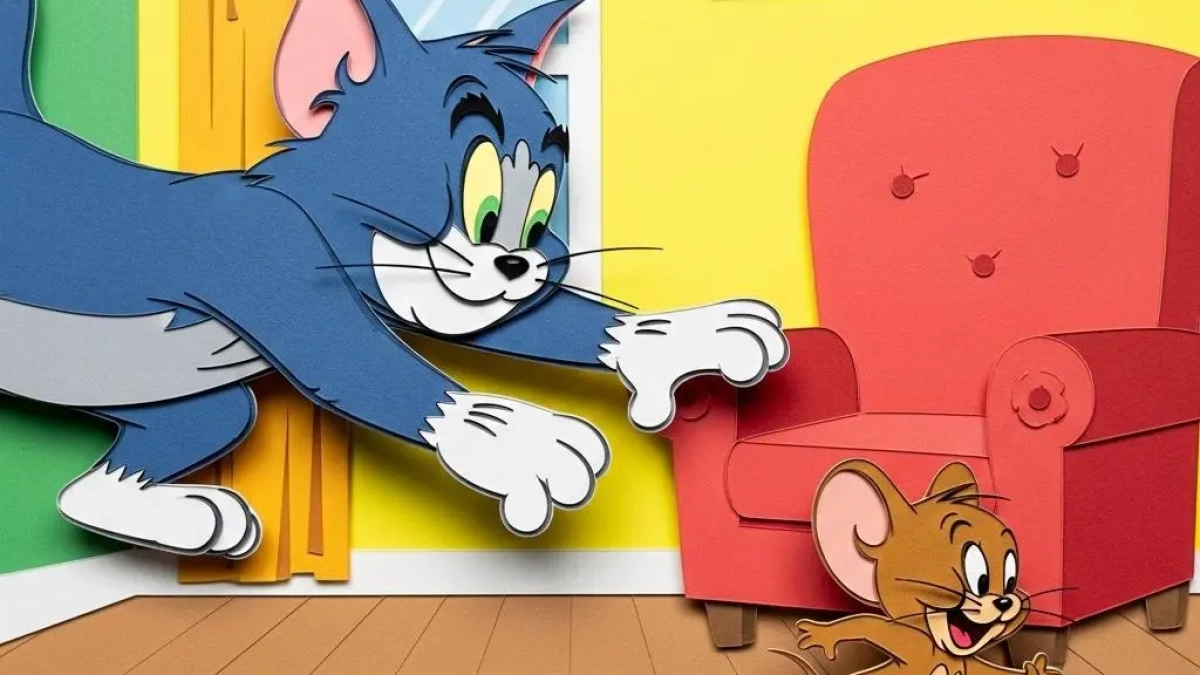
For generations, Tom and Jerry has been a household favorite — a mischievous cat, a clever mouse, and a nonstop chase that makes everyone laugh. Its slapstick comedy — full of funny accidents, wild chases, and exaggerated action — easily catches a child’s eye and sparks imagination.
But when it comes to children under five, parents often wonder:
Is this harmless fun or a confusing example of how to behave?
“Cute or Concerning? The Truth Behind Tom & Jerry Fun”
1. Normalizing Violence
For very young kids, repeated scenes of hitting and chasing can blur the line between “funny” and “hurtful.”
Without guidance, they might think it’s okay to imitate that behavior in real life.
2. Confusing Morals
Tom and Jerry keep switching roles — sometimes one is the bully, sometimes the victim. Under-5 children may struggle to understand who’s right or wrong.
3. Overstimulation
Fast-moving action and loud effects can make toddlers restless, or even cranky, after watching.
👩👧 Parental Perspective: Balance Is Key
Tom and Jerry isn’t harmful when watched in moderation and with explanation. Parents can make it a learning moment:
- “See, they’re just pretending.”
- “That’s not how we treat our friends.”
- “What could they do instead of fighting?”
Tom and Jerry is one of the most famous cartoon series ever created. Generations of children have laughed at the endless chase between the clever mouse Jerry and the determined cat Tom. The show’s exaggerated falls, crashes, and comic misunderstandings are classic examples of slapstick comedy.
For adults and older children, the humor is often harmless fun. But many parents wonder whether children under 5 can fully understand the jokes—or whether the fast-paced action might be confusing.
What makes Tom and Jerry entertaining?
Several elements explain why the series has remained popular for decades.
Visual humor
Young children often respond strongly to movement, expressions, and sound effects. Tom’s exaggerated reactions and Jerry’s quick escapes are easy to notice even without understanding dialogue.
Fast pacing
The constant action keeps many children engaged. Scenes change quickly, and there is rarely a long pause.
Simple conflict
Even toddlers can usually understand that one character is chasing another. The basic storyline is easy to follow.
Why some children under 5 may become confused
1. Difficulty separating fantasy from reality
Preschool children are still learning what is real and what is pretend. In Tom and Jerry, characters are hit with objects, fall from great heights, and recover instantly. A child under 5 may not fully understand that these events cannot happen safely in real life.
2. Overstimulating action
Some children enjoy the rapid movement, while others may feel overwhelmed. Loud sound effects, sudden crashes, and constant motion can make it difficult for sensitive children to process what is happening.
3. Misunderstanding aggressive behavior
Slapstick comedy often involves characters trying to trick, chase, or hit each other. Very young children may imitate these actions without understanding the comic context. This is one reason many child-development experts recommend watching together and discussing what they see.
What parents can do
Watch with your child
Co-viewing allows parents to explain scenes that might be confusing. For example, you can say, “Tom is not really hurt. Cartoons often exaggerate things to be funny.”
Limit viewing time
Children under 5 generally benefit from balanced screen time. Short viewing sessions are usually easier for them to process than long periods of continuous cartoons.
Choose age-appropriate episodes
Some episodes are gentler and focus more on playful chases, while others contain more intense slapstick. Parents can preview content to decide what fits their child’s temperament.
Encourage discussion
Ask simple questions after watching: “What happened? Why was it funny? What should we never do in real life?” These conversations help children develop critical thinking skills.
Is Tom and Jerry good or bad for preschoolers?
There is no single answer. Many children under 5 enjoy Tom and Jerry and experience it as harmless entertainment. Others may become overstimulated, frightened by the loud conflicts, or confused by the unrealistic violence.
A balanced approach
The cartoon is best viewed as occasional entertainment rather than a primary source of learning. When parents watch alongside their children and provide context, young viewers are more likely to enjoy the humor without misunderstanding the behavior.
Final thoughts
Tom and Jerry remains a beloved classic because its slapstick comedy appeals to audiences of all ages. For children under 5, the experience can be both fun and a little confusing. The key is not necessarily avoiding the cartoon entirely, but helping young children understand that cartoons exaggerate reality for laughs.
With guidance, moderation, and conversation, parents can turn a simple cartoon chase into an opportunity for learning, laughter, and family connection.
The slapstick comedy of Tom and Jerry is timeless — a joyful memory for many parents. But for little viewers, the key lies in context and control.
Let them laugh, but help them understand that in real life, kindness wins over chaos.
Because even in the world of cartoons, fun should never hurt.
For more information, visit the apple health app tracks Wikipedia page.
Also read: 17 Healthy Breakfast Smoothies to Energize Your Morning.
Add a Comment