
 Cart is empty
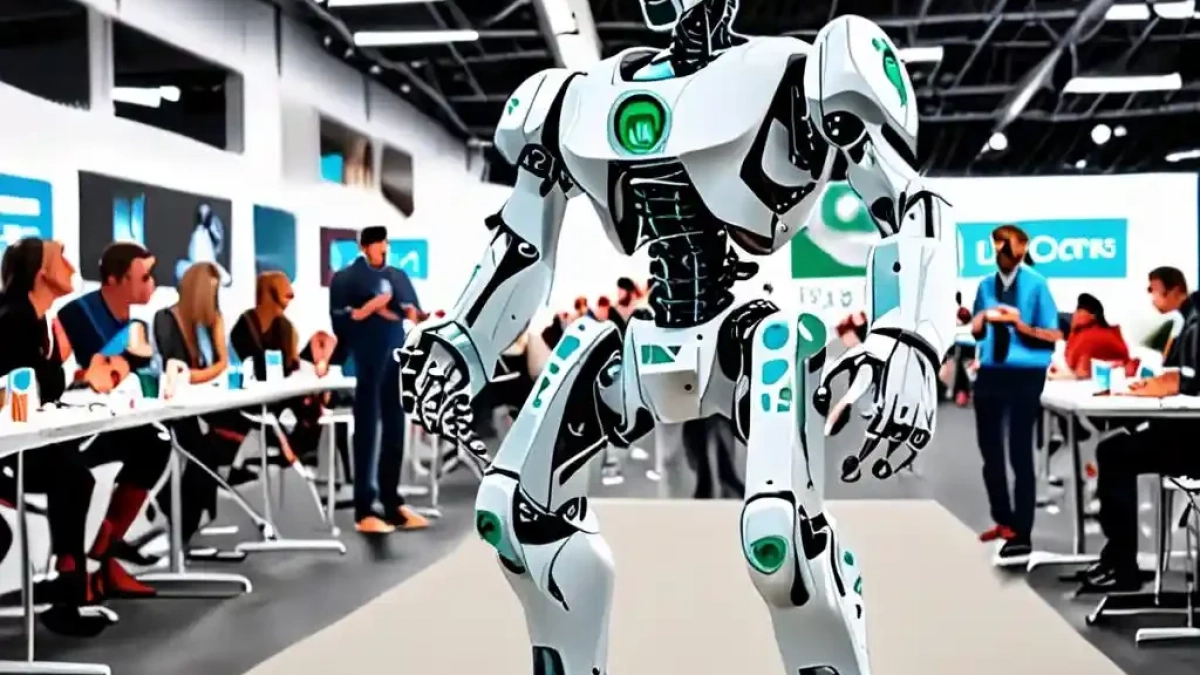
aaron edsinger unleashes hello has been making headlines recently. Here is a comprehensive look at the latest developments.
Opening Hook
aaron edsinger unleashes hello Overview
When the lights dimmed on stage at TechCrunch Disrupt 2026, the audience waited for a new tech marvel. Instead, Aaron Edsinger stepped forward, a smile wide enough to match the gleam in his eyes, and introduced Hello Robot’s Stretch 4—a robot that could bend, stretch, and even dance like a living creature.
Showcase of Stretch 4
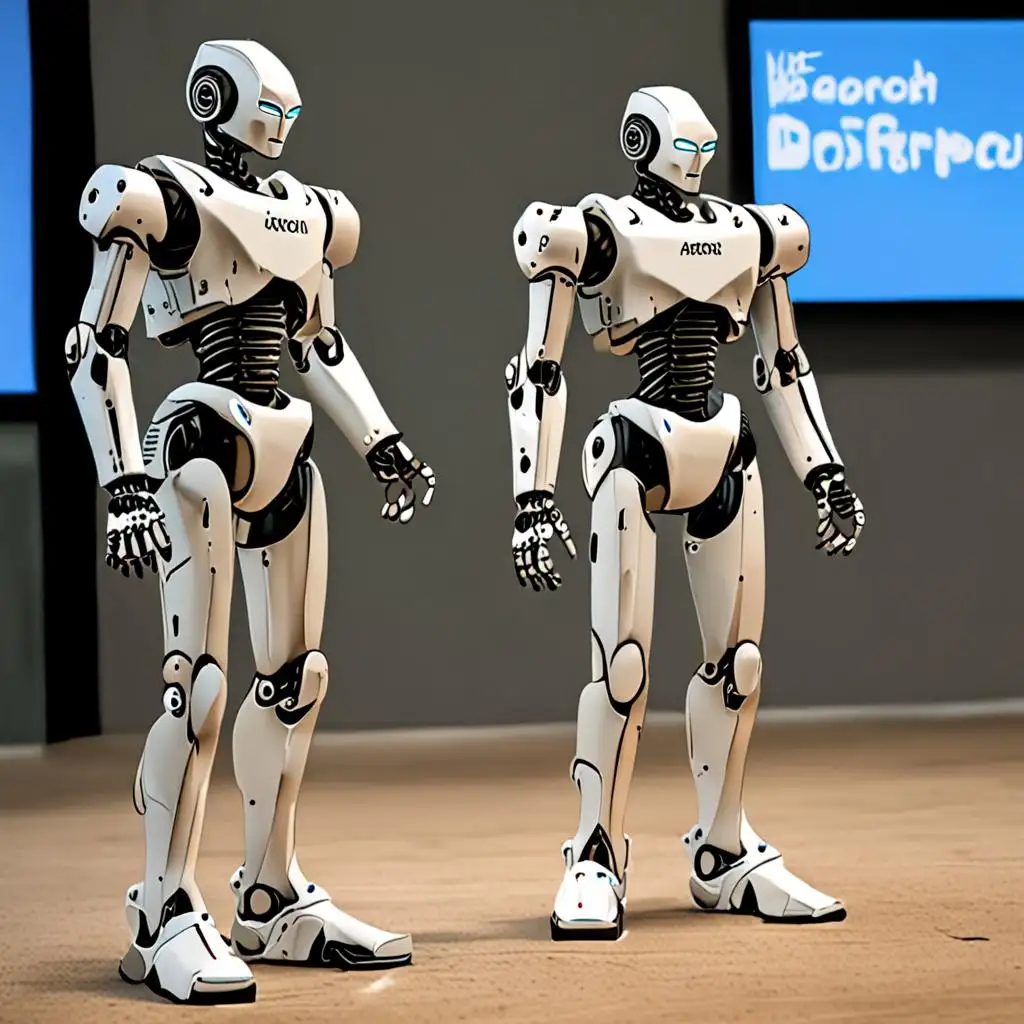
Stretch 4 is not just a new iteration of Hello Robot’s line; it’s a leap toward truly adaptive robotics. With a flexible chassis that can elongate up to 30% of its length, the robot demonstrated a series of fluid motions: it reached across a table, lifted a coffee mug, and even performed a synchronized wave with a human partner. The crowd gasped as the machine adjusted its grip strength in real time, showcasing a sensor array that feels as if the robot has a nervous system.
During the demonstration, Stretch 4 executed a series of complex choreography moves, including a graceful bow that required precise control of its joint angles. The robot’s actuators, powered by microfluidic pumps, allowed it to shift its center of mass smoothly, preventing any abrupt jerks that could unsettle the audience. The audience could see the subtle color changes in the chassis, indicating the internal pressure adjustments that enable the stretch.
In addition to the live demo, the team showcased a set of modular accessories that could be attached to Stretch 4. A lightweight arm extension can be swapped in to reach higher shelves, while a soft gripper module can pick up fragile objects like glassware or delicate pastries. These accessories are designed to be interchangeable in under five minutes, illustrating the robot’s versatility for different household tasks.
Behind the Scenes
Edsinger, the charismatic CEO of Hello Robot, shared insights into the months of research that birthed Stretch 4. “We wanted a robot that feels less like a machine and more like a collaborator,” he said. The team worked closely with biomechanical engineers to replicate the elasticity of human tendons, allowing the robot to bend without compromising stability. The prototype’s power source—an advanced lithium‑silicon battery—enables a full 12‑hour runtime, a critical factor for real‑world deployment.
During the development phase, the engineers conducted over 200 hours of motion capture tests, feeding the data into a machine learning model that optimizes the robot’s gait patterns. The result is a robot that can adapt its stride length and foot placement in real time, ensuring smooth navigation over uneven surfaces such as rugs or tile. The team also incorporated a bio‑inspired damping system that reduces vibration, making the robot’s movements appear more natural.
To ensure safety around humans, the design team integrated a series of soft, compliant materials into the robot’s exterior. These materials absorb impact and reduce the risk of injury during accidental contact. The safety protocols were validated through a series of rigorous tests, including a 10‑minute endurance run where the robot repeatedly interacted with human volunteers without any incidents.
Future Implications
Beyond the stage, Stretch 4 hints at a future where robots can seamlessly integrate into homes, offices, and even creative spaces. Imagine a robot that can fold laundry, adjust lighting, or assist in dance performances—tasks that require a delicate touch and adaptive motion. Hello Robot’s vision, as Edsinger explained, is to create robots that “enhance human creativity, not replace it.” The debut at TechCrunch Disrupt 2026 marks a pivotal moment for the industry, signaling that soft robotics is moving from laboratory curiosity to practical reality.
In the near future, Stretch 4 could be deployed in assisted living facilities, where its gentle touch and adaptive motion would help residents with daily tasks such as fetching items or opening doors. The robot’s ability to modulate its force could also make it an ideal companion for people with mobility challenges, providing a safe and responsive aid in everyday activities.
For creative professionals, Stretch 4 offers a new medium for collaboration. Its ability to perform choreographed movements with precision opens possibilities for interactive installations, live performances, and even collaborative art projects where the robot responds to human input in real time. The company plans to release an open‑source SDK that will allow developers to program custom behaviors, encouraging a community of creators to expand the robot’s capabilities.
From a commercial standpoint, Hello Robot is exploring partnerships with furniture manufacturers to integrate Stretch 4 into smart home ecosystems. By combining the robot’s adaptive mechanics with voice assistants and IoT sensors, users could command the robot to perform tasks such as arranging books on a shelf or adjusting blinds automatically. This integration would provide a tangible example of how soft robotics can enhance everyday convenience.
As the industry moves forward, the lessons learned from Stretch 4 will inform the next generation of soft robots. The focus on biomimicry, modularity, and safety sets a new benchmark for designers and engineers. The hope is that future iterations will be even more lightweight, energy‑efficient, and capable of learning from their environment, further blurring the line between machine and collaborator.
For more information, visit the aaron edsinger unleashes hello Wikipedia page.
Also read: Attachment Style Shapes Parenting More Than Relationships.
Add a Comment