
 Cart is empty

king charles skips royal has been making headlines recently. Here is a comprehensive look at the latest developments.
When the Royal Family’s calendar is usually a litmus test for Britain’s cultural pulse, the King’s absence from the London Royal Gala sent ripples through the city’s elite. The gala, traditionally a showcase of the nation’s finest art and philanthropy, was set to open the summer season, yet King Charles chose a private retreat instead.
Why the Royal Absence Stirs Controversy
king charles skips royal Overview
For many, the gala is more than a charity event; it is a symbol of continuity and national identity. King Charles’s decision to skip the ceremony, citing a “busy schedule,” was seen by some as a subtle statement about the monarchy’s evolving role. The event, hosted at the historic Royal Albert Hall, had been slated to feature a debut performance by a leading contemporary composer, a highlight that attracted thousands of tickets.
Reactions from High Society and the Public
London’s social circles reacted swiftly. The Duchess of Cambridge, who traditionally opens the gala, issued a brief statement expressing disappointment but respect for the King’s choice. In the streets, a mix of bemused and outraged murmurs echoed through the crowds. A prominent society columnist wrote, “When the Crown steps aside, the city feels the weight of its own expectations.”
What the Gala Represents for Britain’s Cultural Calendar
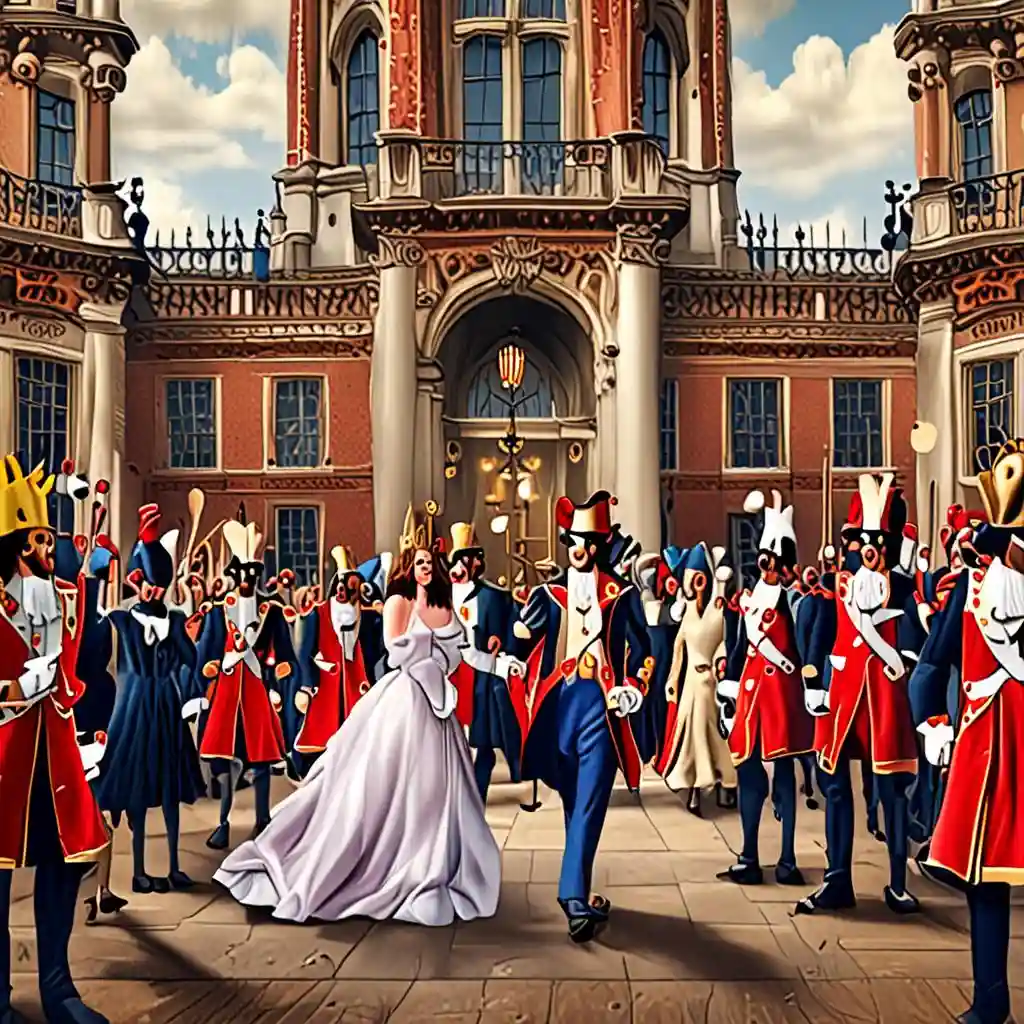
The Royal Gala has long been a barometer for the arts sector, drawing patrons, donors, and artists into a single, glittering night. Its cancellation or absence of key figures can influence funding, visibility, and public engagement. Experts suggest that the event’s prestige is tied to the monarchy’s presence, and any deviation may prompt a reassessment of future collaborations.
Future Implications for the Monarchy and Cultural Events
Looking ahead, the King’s choice may signal a shift toward a more selective royal engagement strategy. Cultural leaders are already discussing alternative formats, such as virtual galas or smaller, more intimate gatherings. While some fear a diminishing royal influence, others view it as an opportunity for the arts to carve out independent space. The coming months will reveal whether this pause is a temporary pause or a new chapter in Britain’s cultural narrative.
Broader Societal Reflections
Beyond the immediate circle of donors, the King’s absence has prompted a broader conversation about the role of tradition in a rapidly changing society. Many commentators argue that the monarchy’s public appearances are increasingly scrutinized for relevance, and the gala’s high-profile nature magnifies any perceived disconnect.
In the weeks following the event, a number of influential artists publicly voiced their support for a more flexible approach to royal patronage, suggesting that the arts community could thrive without the obligatory presence of the Crown. This sentiment echoes a growing trend among younger audiences who prioritize authenticity over ceremonial grandeur.
Meanwhile, several philanthropists have expressed concern that the gala’s reduced visibility could impact fundraising momentum for cultural institutions that rely on the event’s high-profile sponsorships. They fear that a decline in royal endorsement might lead to a measurable dip in donor enthusiasm and media coverage.
Conversely, some industry insiders see the King’s decision as a catalyst for innovation. By stepping back, the monarchy may encourage organizers to experiment with new formats, such as hybrid events that blend live performances with digital engagement, potentially expanding the gala’s reach beyond London’s traditional audience.
Political commentators have also weighed in, noting that the gala’s timing—coinciding with the summer cultural season—has historically served as a launchpad for new artistic initiatives. The absence of the King could shift the focus to the artists themselves, allowing their work to take center stage without the backdrop of royal presence.
As the debate continues, the cultural sector is poised to reassess its relationship with the monarchy. Whether this marks a temporary adjustment or a permanent realignment remains to be seen, but the conversation it has sparked is already reshaping how society views the intersection of tradition, art, and public life.
For more information, visit the king charles skips royal Wikipedia page.
Also read: Gudea AI Platform Shields Brands From Social Media Storms.
Add a Comment