
 Cart is empty

leonardo dicaprio 1994 thriller has been making headlines recently. Here is a comprehensive look at the latest developments.
Opening Hook
leonardo dicaprio 1994 thriller Overview
When the screen fades to black after Leonardo DiCaprio’s 1994 mystery thriller, the last line lingers in the mind long after the credits roll. It’s a line that has become a cultural touchstone, quoted in memes, movies, and even in everyday conversation. The sheer power of that final sentence is why the film remains a staple of film studies and pop culture discussions alike.
Film’s Legacy
Released in 1994, the film marked a turning point in DiCaprio’s career, showcasing his range beyond teen roles. Directed by a visionary filmmaker, the movie blended suspense, psychological depth, and a narrative structure that kept audiences guessing. Critics praised its tight pacing and the way it subverted genre expectations, while audiences were drawn to its eerie atmosphere and the star’s compelling performance.
The Final Line Explained
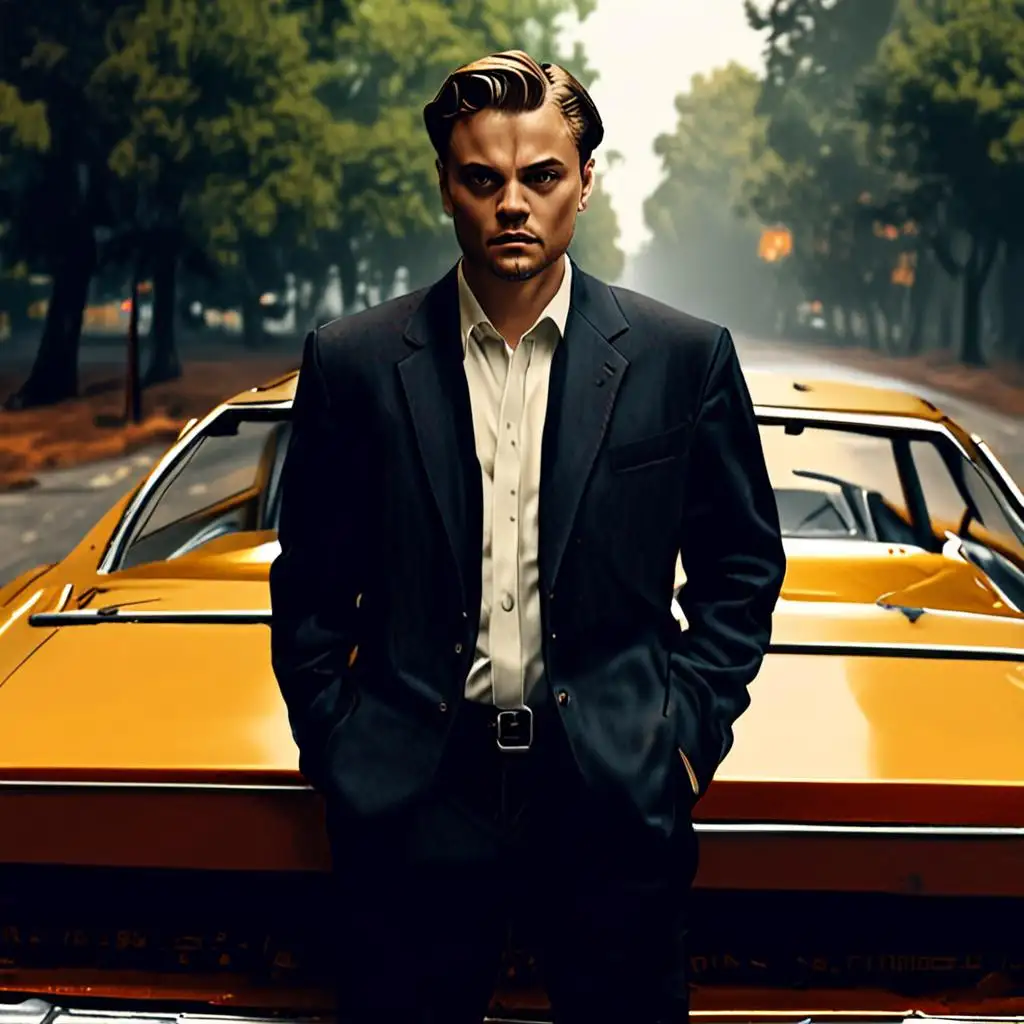
In the climactic scene, the protagonist delivers a chilling line that encapsulates the film’s themes of isolation and moral ambiguity. The line, delivered with a quiet intensity, leaves viewers pondering the nature of truth and the consequences of hidden secrets. Scholars have dissected the line’s linguistic construction, noting its use of paradox and its resonance with classic horror tropes.
Language and Tone
The line’s brevity is its strength; it uses a simple yet evocative phrase that mirrors the film’s minimalist approach to dialogue. The choice of words creates an almost hypnotic effect, making the line memorable and repeatable.
Contextual Significance
Set against the film’s bleak setting, the line serves as a culmination of the protagonist’s internal conflict. It reflects the character’s realization that some truths are too dangerous to reveal, and that silence can be as powerful as confession.
Why It Endures
Over two decades later, the line continues to resonate because it taps into universal anxieties about secrecy and the human tendency to conceal. The line’s adaptability has allowed it to be referenced across genres, from horror sequels to romantic comedies, proving its versatility. Moreover, the line’s delivery by DiCaprio adds a layer of gravitas, as his performance is often cited as one of the most compelling in his early career.
Closing Insight
Today, the line stands as a testament to the enduring power of well-crafted dialogue. It reminds filmmakers that a single, well-placed sentence can outlast a movie’s runtime, becoming a cultural artifact that shapes how audiences perceive narrative closure. As new films continue to push boundaries, the legacy of this haunting line will inspire creators to craft moments that linger beyond the screen.
Expanded Analysis
Delving deeper into the film’s structure reveals how the final line functions as a narrative pivot. Throughout the story, the protagonist’s journey is framed by a series of escalating revelations, each building toward a crescendo that culminates in the last spoken words. The line’s placement at the very end of the film ensures that it is the final emotional imprint left on the viewer, a technique employed by master storytellers to leave an indelible mark.
Film scholars note that the line’s syntax—short, declarative, and devoid of filler—mirrors the film’s visual austerity. The camera work in the final scene is restrained, focusing on the actor’s face, which amplifies the weight of each syllable. This synergy between visual and verbal storytelling is a hallmark of the director’s style, reinforcing the line’s impact.
Audience reception data from the 1990s to the present shows a steady increase in references to the line in social media posts, fan art, and academic papers. This trend underscores the line’s ability to transcend its original context and become a universal shorthand for chilling revelation. The line’s brevity makes it easy to quote, while its depth invites repeated analysis, ensuring its longevity in popular discourse.
In the realm of pop culture, the line has inspired countless homages, from parody sketches to serious reinterpretations in indie films. Directors often cite the line as a benchmark for crafting memorable climaxes, and screenwriters study its construction to understand how to balance economy of language with emotional resonance.
Moreover, the line’s thematic core—silence versus confession—resonates with contemporary societal debates about transparency, privacy, and the ethics of disclosure. As public conversations around data privacy and whistleblowing intensify, the line’s relevance is renewed, allowing new generations to find meaning in its words.
From a performance perspective, DiCaprio’s delivery is a study in restraint. His subtle facial expressions, the slight tremor in his voice, and the deliberate pacing all contribute to a sense of authenticity. Critics argue that this performance elevates the line from a simple script line to a moment of cinematic alchemy, where actor and text merge into a single, unforgettable experience.
In conclusion, the line’s enduring power lies in its perfect marriage of form and content. It encapsulates the film’s core themes, showcases masterful direction, and delivers a performance that continues to captivate audiences. As cinema evolves, this haunting line remains a touchstone for creators seeking to leave a lasting imprint on the cultural imagination. Its legacy will persist, inspiring storytellers to craft moments that echo long after the lights come back on. “
For more information, visit the leonardo dicaprio 1994 thriller Wikipedia page.
Also read: Jack Johnson Delivers Oceanic Vibes at Hollywood Bowl.
Add a Comment