
 Cart is empty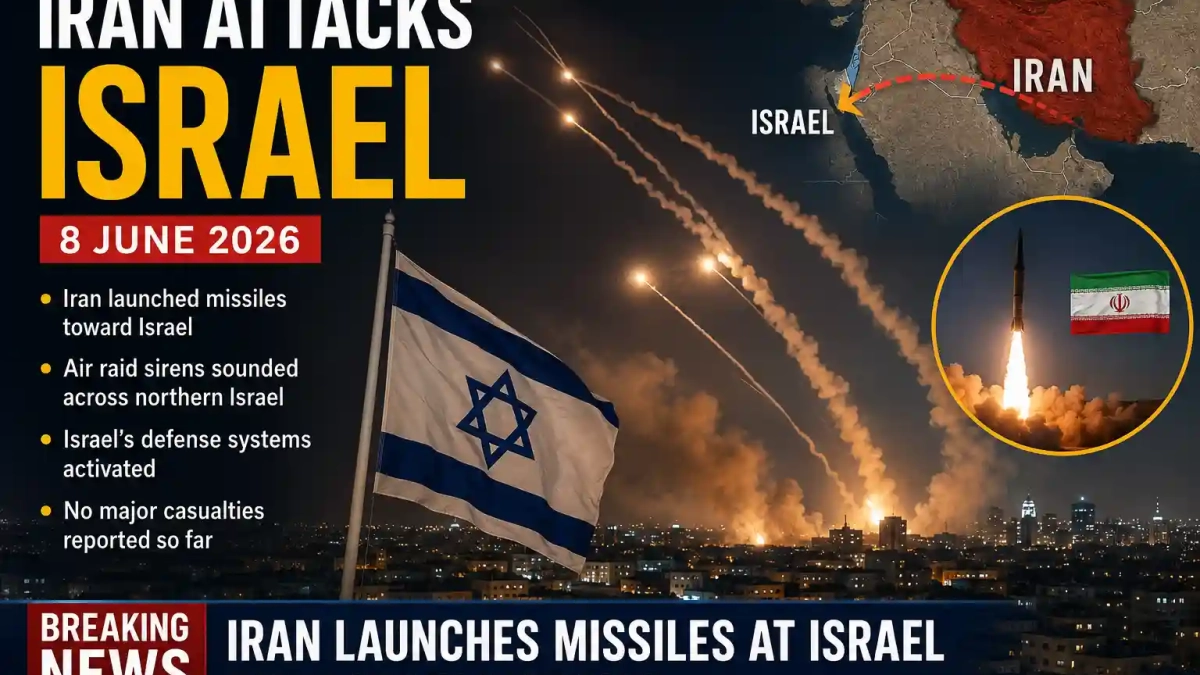
Iran Attacks Israel on June 8, 2026
The Middle East witnessed another major escalation on June 8, 2026, when Iran launched ballistic missiles toward Israel in response to Israeli airstrikes in Beirut, Lebanon. The attack marked Iran’s first direct missile barrage against Israel since the fragile ceasefire established in April 2026 and raised concerns about a wider regional conflict.
1. Iran Launched Missiles at Northern Israel
According to Israeli military officials, multiple missiles were fired from Iran toward northern Israel. Air raid sirens sounded across several regions, and Israeli air defense systems were activated to intercept the incoming threats. Israeli authorities reported that the missiles were successfully intercepted or landed in non-populated areas.
2. The Attack Was a Response to Israeli Strikes in Beirut
Iran stated that the missile attack was retaliation for Israeli airstrikes targeting areas in southern Beirut associated with Hezbollah. Tehran accused Israel of crossing “red lines” and warned that further military actions in Lebanon could trigger additional responses.
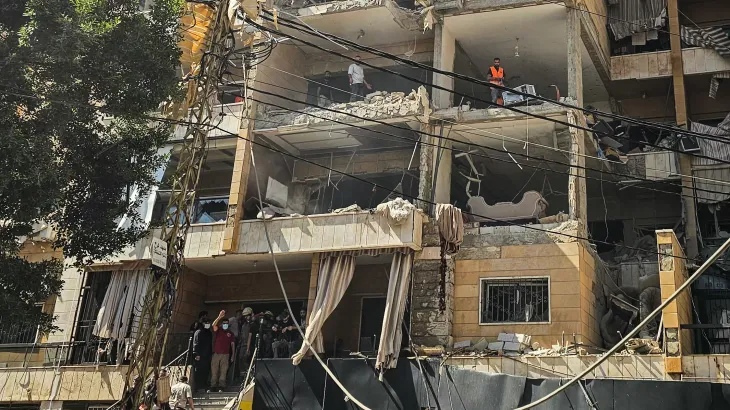
3. Ceasefire Tensions Have Reached a Breaking Point
The missile launch was the first direct Iranian attack on Israel since the ceasefire that took effect on April 8, 2026. The incident has raised fears that months of fragile calm could collapse, potentially leading to a broader military confrontation across the region.
4. Israel Has Promised a Strong Response
Israeli officials indicated that the country would respond firmly to the Iranian missile barrage. Military readiness has reportedly been increased, and security officials remain on alert for additional attacks.
5. The United States Is Calling for Restraint
The United States has urged both sides to avoid further escalation. Ongoing diplomatic efforts aimed at reducing tensions between Iran and its adversaries could be jeopardized if military exchanges continue.
6. Global Markets Are Watching Closely
Rising tensions in the Middle East have already affected energy markets. Analysts warn that continued conflict involving Iran, Israel, and regional allies could disrupt critical shipping routes and increase volatility in global oil prices.
7. Regional Stability Remains Uncertain
The latest exchange highlights the ongoing risks surrounding the wider conflict involving Iran, Israel, Hezbollah, and international actors. Diplomatic negotiations remain active, but military actions continue to threaten any long-term settlement.
Conclusion
Iran’s missile attack on Israel on June 8, 2026, represents a significant escalation in an already volatile region. While no major casualties were immediately reported, the incident has intensified fears of a broader conflict involving multiple countries and armed groups. The coming days will be critical as world leaders seek to prevent further military escalation and preserve regional stability.
For more information, visit the social apps challenge big Wikipedia page.
Also read: Suicide Is Not Sudden: The Silence Before the Fall.
Add a Comment